Big Tech’s AI Spending Faces New Pressure as Energy Costs Rise
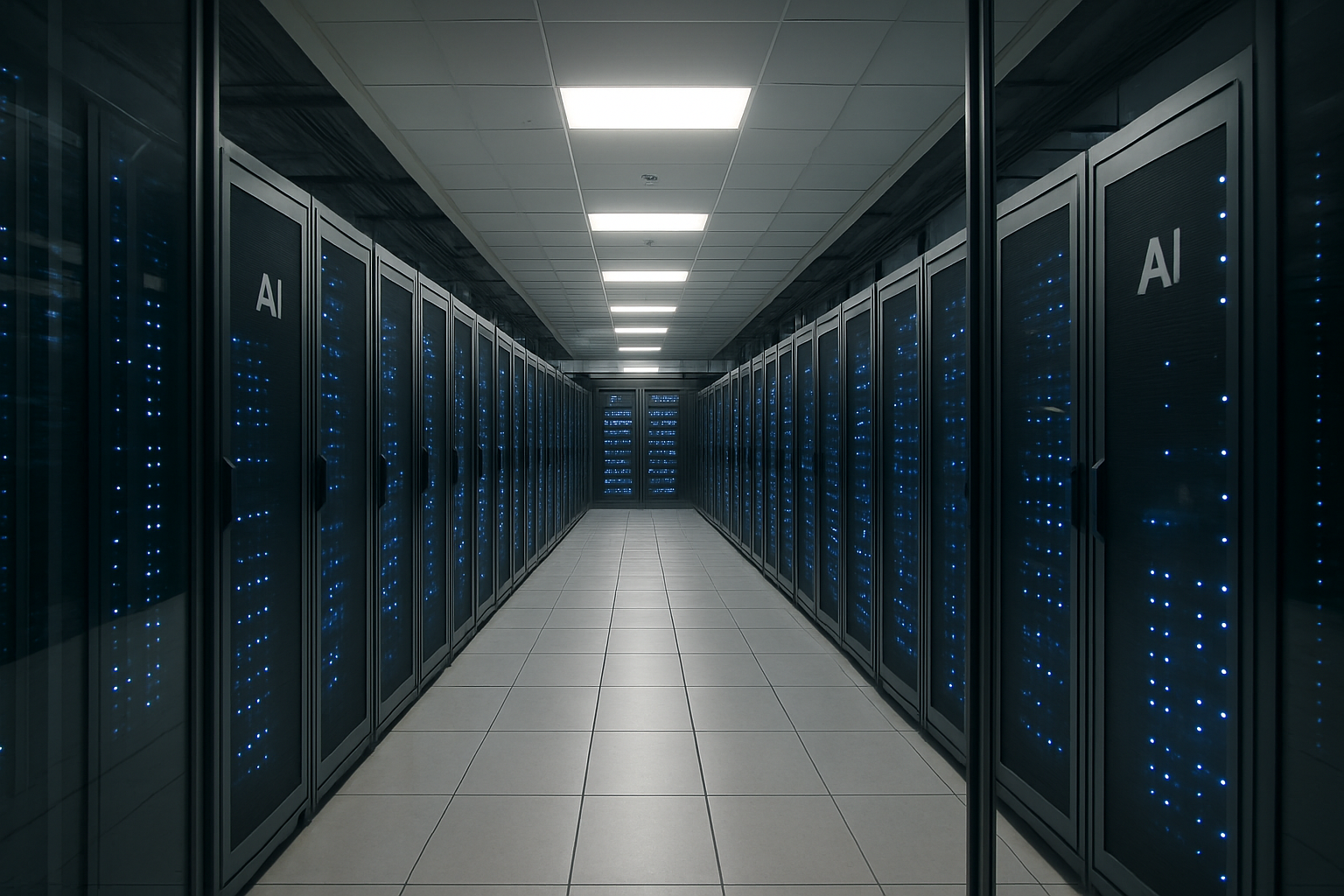
Massive spending on artificial intelligence infrastructure is facing a new test as energy costs rise and geopolitical tensions add uncertainty to the economics of data-center expansion. A Reuters report published on March 31, 2026, said the issue is now weighing on the 2026 plans of major technology companies, including Microsoft, Amazon, Alphabet and Meta.
The report comes as the industry continues to pour money into chips, servers and data centers to support AI products and services. But the scale of that buildout is increasingly colliding with a basic constraint: the cost and availability of power.
Energy Becomes a Bigger Variable
According to Reuters, the companies had planned to spend about $635 billion in 2026 on data centers, chips and other AI infrastructure. The report said that estimate is now facing pressure as higher energy costs and broader market conditions complicate the economics of rapid expansion.
The Reuters report quoted S&P Global Visible Alpha research head Melissa Otto, who said the AI spending boom faces a major hurdle as the Middle East crisis clouds growth prospects and energy costs. The report did not suggest the spending plans had been canceled, but it said the environment around them has become less predictable.
The Scale of the Buildout
Microsoft, Amazon, Alphabet and Meta have all signaled aggressive capital spending tied to AI infrastructure, with data centers and related systems at the center of that push. Reuters said the four companies were expected to account for a large share of the sector’s 2026 outlays.
That spending has helped drive investor enthusiasm across the technology sector, but it has also sharpened scrutiny over whether the pace of expansion can be sustained if electricity prices rise or if power supply becomes harder to secure.
Why Power Matters for AI
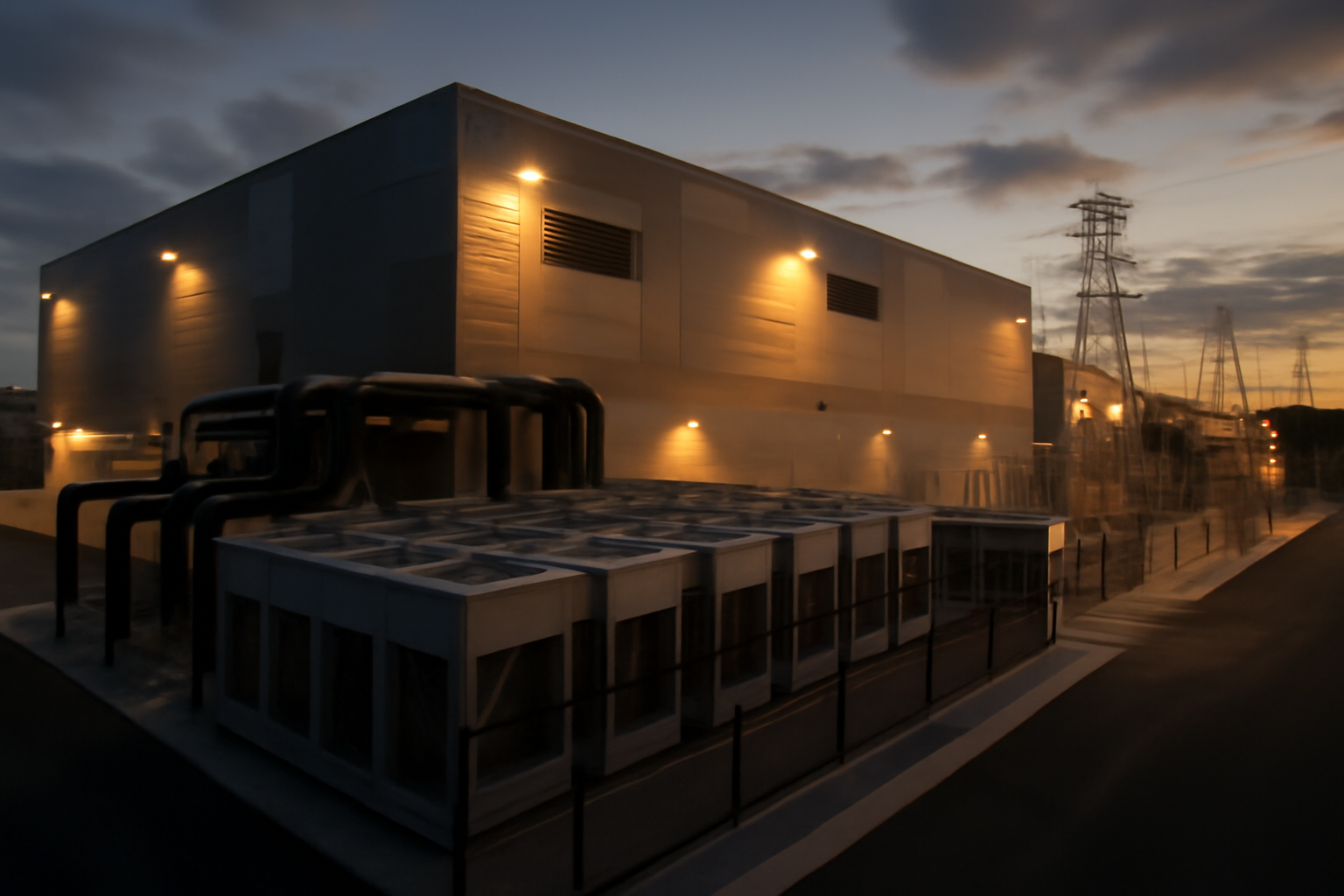
AI systems require large clusters of specialized chips, cooling equipment and reliable electricity to run at scale. As companies expand their infrastructure, power availability has become a central operational issue, especially for new data-center projects that can take years to build and connect to the grid.
Reuters said the energy question is now part of the broader debate over how quickly the AI boom can continue without running into physical and financial limits. The report framed that challenge against the backdrop of continued investment in chips and computing capacity.
What to Watch
Investors will be watching whether major cloud and AI providers revise capital spending plans in upcoming earnings updates, and whether utilities, grid operators or policymakers respond to the growing demand from data centers. For now, the Reuters report suggests the AI buildout remains intact, but its cost base is becoming harder to ignore.
Source Reference
Primary source: Reuters
Source date: 2026-03-31
Reference: Read original source