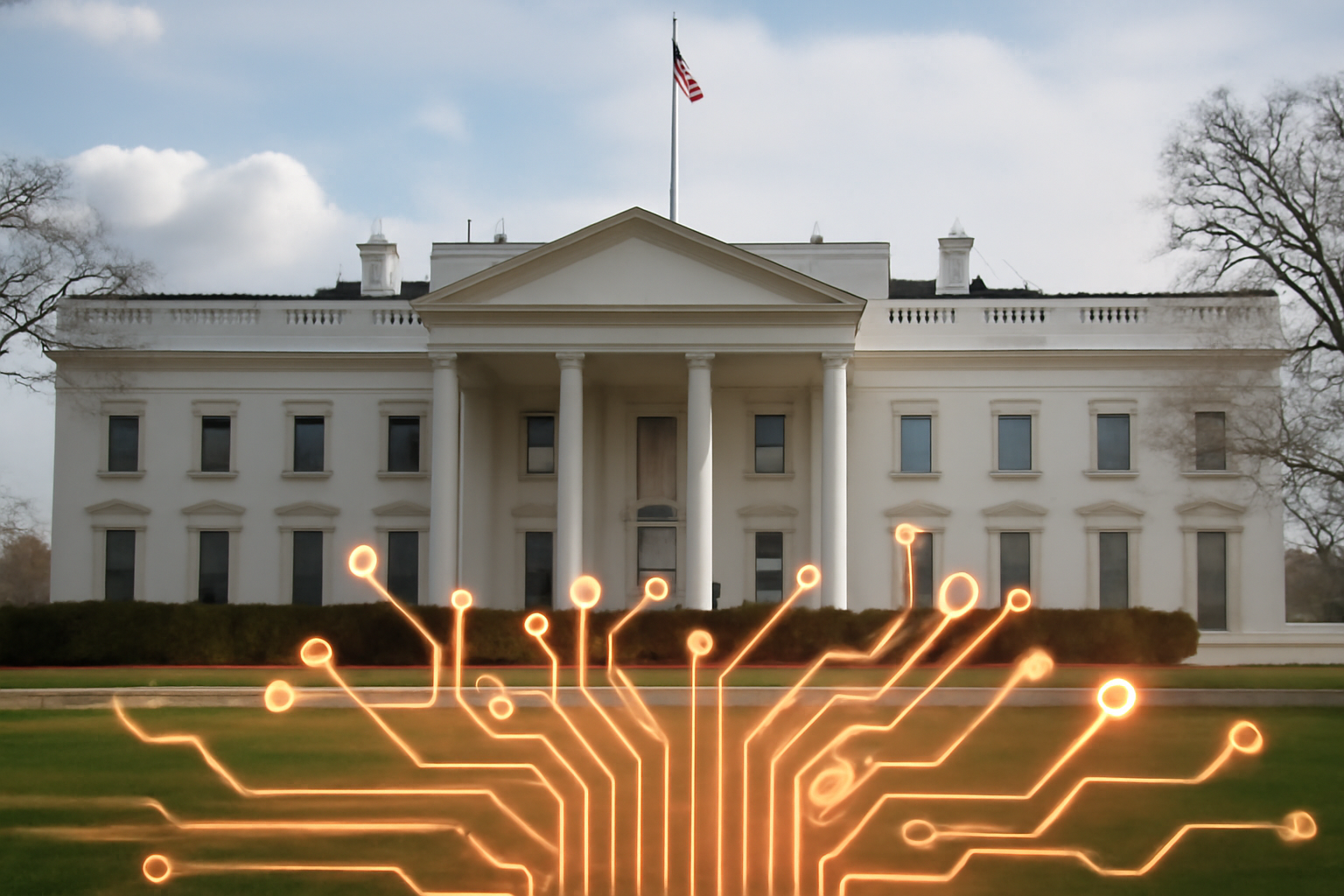
White House Pushes Congress to Preempt State AI Rules in New Policy Blueprint
WASHINGTON — The White House on March 20, 2026, called on Congress to preempt state artificial intelligence laws in a new legislative blueprint, a move that could reshape the regulatory landscape for one of the most consequential technologies in the U.S. economy. The proposal matters because it would steer AI oversight toward a federal framework and away from the growing patchwork of state-level rules.
The blueprint, released by the White House, outlines a broad set of priorities for lawmakers, including protections for children, intellectual property concerns, electricity costs and censorship issues. House Republican leaders quickly endorsed the framework, according to reporting from The Associated Press, but the effort faces a difficult path in the Senate, where divisions over AI regulation remain pronounced.
What the White House Proposed
According to the White House, Congress should consider a national approach that would override state laws it views as too burdensome. The administration framed the proposal as a way to support innovation while addressing risks tied to the rapid spread of AI systems across consumer products, workplaces and public services.
The blueprint does not itself change federal law. Instead, it lays out a policy direction for lawmakers and signals where the administration wants the debate to go as AI regulation becomes a more active issue in Washington.
Why the Fight Matters
AI policy has increasingly been shaped at the state level as federal lawmakers have struggled to agree on a national standard. That has created pressure from industry groups seeking consistency across markets, while civil liberties and consumer advocates have pushed for stronger guardrails on the technology.
The White House proposal places those competing priorities at the center of a broader legislative battle. If Congress were to adopt a preemption model, it could limit the ability of states to impose their own AI rules and shift more authority to Washington.
Political Hurdles Ahead
Even with Republican support in the House, the blueprint faces an uncertain future in the Senate, where any major AI bill would likely need bipartisan backing. The AP reported that the administration’s plan arrives as states continue to advance their own regulations and as outside groups lobby for tighter oversight of AI systems.
For now, the proposal is best understood as an opening bid in a policy debate rather than a finished legislative outcome. The White House has set out its preferred direction, but Congress will ultimately decide whether to move toward a federal standard or preserve more room for state action.
What to Watch
The next developments to watch are whether lawmakers introduce legislation that reflects the White House framework, whether Senate Democrats engage with the proposal and whether states respond by accelerating their own AI rules. The shape of that debate will help determine how quickly the U.S. moves toward a national AI policy and how much authority states retain over the technology.
Source Reference
Primary source: The Associated Press
Source date: 2026-03-20T13:04:27Z
Reference: Read original source