Anthropic expands compute pact with Google and Broadcom as AI demand surges
Anthropic said on April 7, 2026, that it has expanded its compute agreement with Google and Broadcom, a deal that gives the Claude maker access to substantially more TPU capacity starting in 2027. The arrangement is the latest sign that the biggest artificial intelligence developers are still racing to secure the chips, power and data-center capacity needed to train and run increasingly demanding models.
The company said the expanded agreement comes as demand for Claude continues to rise. Broadcom also disclosed a separate long-term deal with Google to develop and supply future generations of custom AI chips for Google’s next-generation AI racks through 2031, underscoring how central custom silicon has become to the AI infrastructure market.
Anthropic deepens its infrastructure commitments
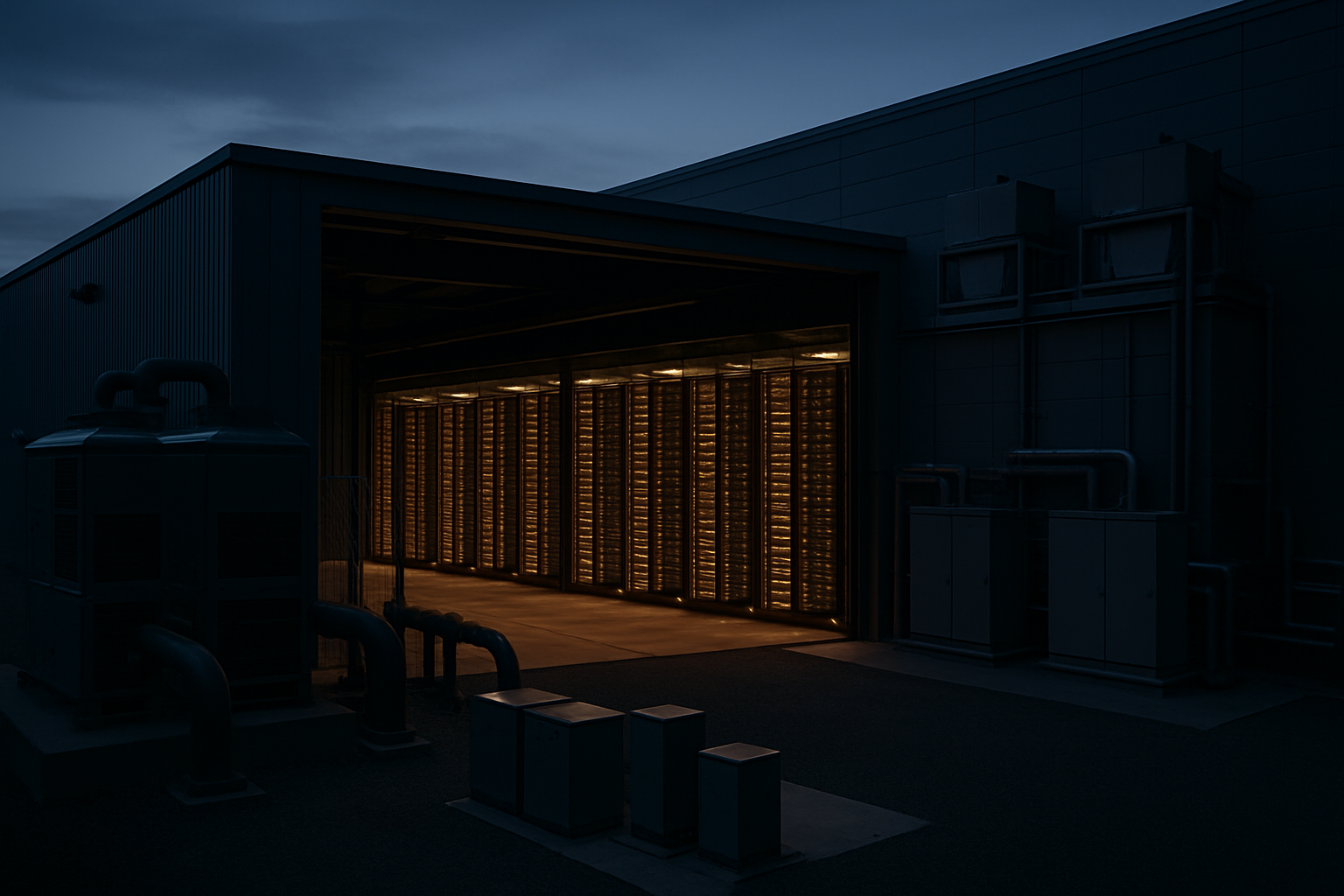
According to the companies, Anthropic will gain access to about 3.5 gigawatts of TPU-based computing capacity through Broadcom beginning in 2027. The deal builds on an earlier arrangement that was already supplying roughly 1 gigawatt of capacity in 2026, reflecting the scale of the startup’s infrastructure needs as it competes with OpenAI, Google and other model developers.
Anthropic said its annual revenue run rate has topped $30 billion, a figure that points to rapid commercial growth in its enterprise and developer business. The company did not disclose the financial terms of the expanded compute agreement.
Broadcom and Google extend their chip partnership
Broadcom said on April 6, 2026, that it had signed a long-term agreement with Google to develop and supply future generations of custom artificial intelligence chips and other components for Google’s next-generation AI racks through 2031. The company did not disclose the value of that arrangement.
The dual announcements place Broadcom at the center of two of the most closely watched AI infrastructure relationships in the market: one with Google, which designs its own TPU chips, and another with Anthropic, which relies on those processors to support its Claude models.
Why the deal matters
The agreement highlights how AI competition is increasingly being shaped by access to compute rather than model releases alone. As companies push for larger, more capable systems, the ability to secure long-term chip supply has become a strategic advantage, particularly for firms building products for enterprise customers and software developers.
It also reinforces the role of custom accelerators in the broader AI supply chain. While Nvidia remains the dominant supplier of AI chips, Google’s TPUs and Broadcom’s chip-design and supply relationships show that large AI developers are continuing to diversify how they obtain computing power.
What to Watch
Investors and customers will be watching for signs that Anthropic can convert its growing infrastructure base into faster product development and broader enterprise adoption. The next key question is whether the company’s expanding compute commitments translate into new model releases, stronger revenue growth or a further intensification of the AI hardware race across the industry.
Source Reference
Primary source: Reuters via Yahoo Finance
Source date: 2026-04-06T00:00:00Z
Reference: Read original source