OpenAI rolls out ChatGPT Images 2.0 as image generation gets a thinking mode
OpenAI on April 21 introduced ChatGPT Images 2.0, a new image-generation model inside ChatGPT, alongside a “thinking” mode that can refine an image before it is rendered. The update is available across all ChatGPT plans, while the thinking workflow is limited to paid tiers.
ChatGPT Images 2.0 lands across all plans
The release gives ChatGPT a newer native image model at a time when AI image tools are increasingly being judged on consistency, editability, and how well they fit into everyday workflows. OpenAI said the model is available to all ChatGPT users, making the rollout broader than a typical premium-only feature launch.
That matters because image generation is no longer just a novelty feature. For many users, it is becoming part of product mockups, marketing drafts, classroom materials, and fast-turn creative work where speed and iteration matter more than a single polished output.
Paid users get a slower, more controlled workflow
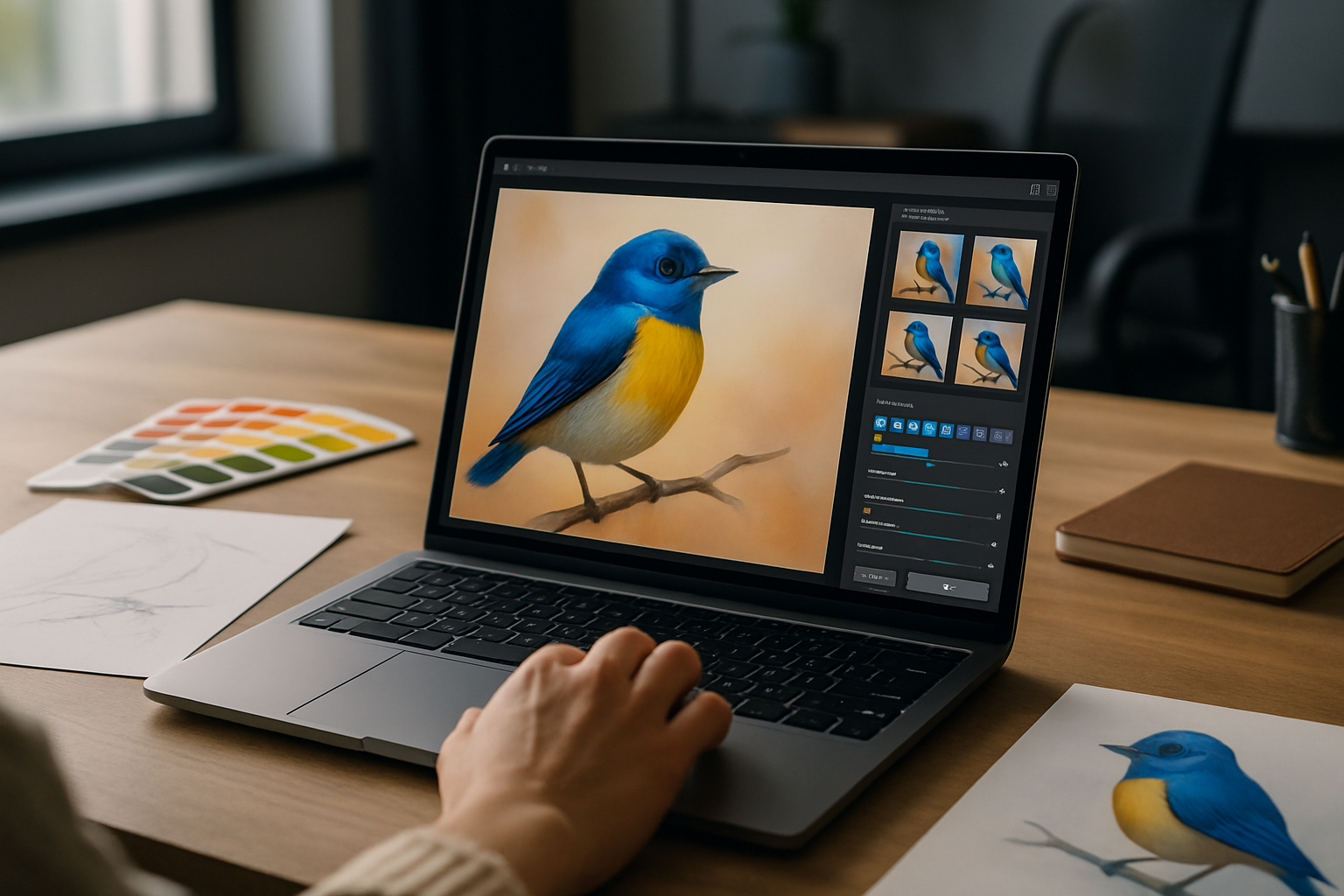
OpenAI also said image generation can now work with “thinking” on paid plans. In practice, that means the system can spend more time planning and refining an image before it is produced, rather than generating immediately from the first prompt interpretation.
The change points to a familiar trade-off in AI products: more deliberation can improve output quality, but it also shifts the feature toward users who are willing to pay for higher-fidelity results and more control. For teams using ChatGPT for design-adjacent work, that could make the tool more useful for iterative concepting and client-facing drafts.
A small feature update with product-level implications
The timing is notable because OpenAI has been widening ChatGPT’s utility beyond text generation, adding tools and modes that make the product feel more like an operating environment than a chatbot. Images 2.0 extends that pattern by giving ChatGPT a more central role in visual production, not just text assistance.
For OpenAI, the update also helps reinforce the case that ChatGPT is not standing still while rivals push their own multimodal systems. For users, the practical question is simpler: whether the new model produces images that are more usable on the first try, and whether the thinking mode meaningfully reduces the back-and-forth needed to get there.
The release adds another incremental step in OpenAI’s effort to turn ChatGPT into a broader creative workspace, with image generation now getting a more capable model and a more deliberate control layer.
Source: OpenAI
Date: 2026-04-21