OpenAI pushes ChatGPT Images 2.0 into ChatGPT and Codex as visual generation becomes more operational
OpenAI on April 21, 2026, released ChatGPT Images 2.0, a major update to its image generation system that it says is designed to handle more complex visual requests and render text more reliably. The rollout is notable not just for image quality, but for where OpenAI is placing the tool: inside ChatGPT and Codex, where images are increasingly part of day-to-day product and workflow work.
ChatGPT Images 2.0 adds a “thinking” mode
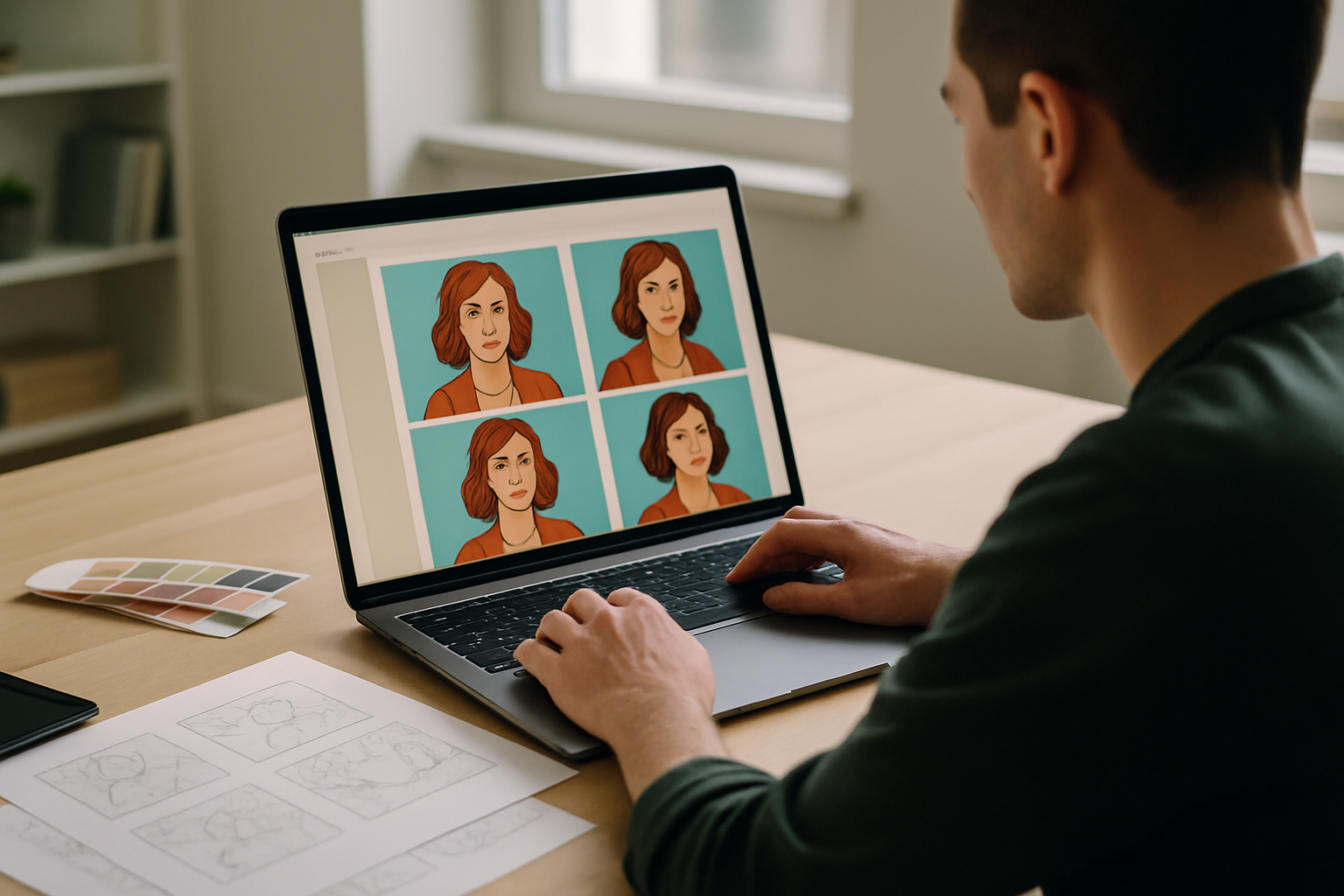
The new version introduces broader aspect-ratio support and a “thinking” mode alongside the standard image workflow. OpenAI says the update is meant to improve how the model handles layered prompts and more demanding compositions, suggesting a shift from fast, single-shot image generation toward more deliberate visual construction.
OpenAI also says the release is available across ChatGPT and Codex, which ties the image engine to environments already used for writing, coding and agent-style tasks. That makes the feature more relevant for teams that need diagrams, product mockups, UI concepts and other working visuals rather than polished art alone.
Text rendering and complex layouts are now central to the pitch
A key emphasis of the release is better text rendering, a long-standing weak point in AI image generation. OpenAI is framing Images 2.0 as a tool that can support more practical uses, including visuals with typography, structured layouts and other composition-heavy requests that matter in marketing, design and software workflows.
The company’s deployment safety materials also note that the model’s higher realism could make sensitive imagery more convincing if safeguards fail, including possible deepfakes. That places the release in the middle of an ongoing product tradeoff: better utility for legitimate users, but a higher bar for abuse prevention.
Why the release matters for OpenAI’s product stack
The update fits OpenAI’s broader push to make ChatGPT and Codex feel less like separate tools and more like a shared work layer for individuals and enterprises. In that context, image generation is no longer a standalone novelty feature; it becomes another output surface for agentic workflows that need visuals as part of the final deliverable.
That matters because image tools now compete on reliability, not just aesthetics. If OpenAI can make generated visuals more useful for production work, it strengthens ChatGPT’s position inside organizations that want one system to draft, code, reason and produce presentation-ready material.
Source: OpenAI
Date: 2026-04-21